WHY TOKYO ODAIBA
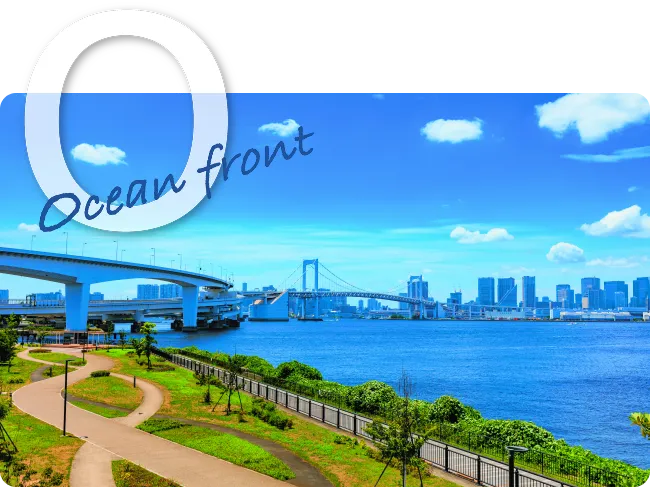
A seaside city where you can feel the open sky and ocean breeze
Daiba, Aomi, and Ariake, located on the Tokyo Bay waterfront.
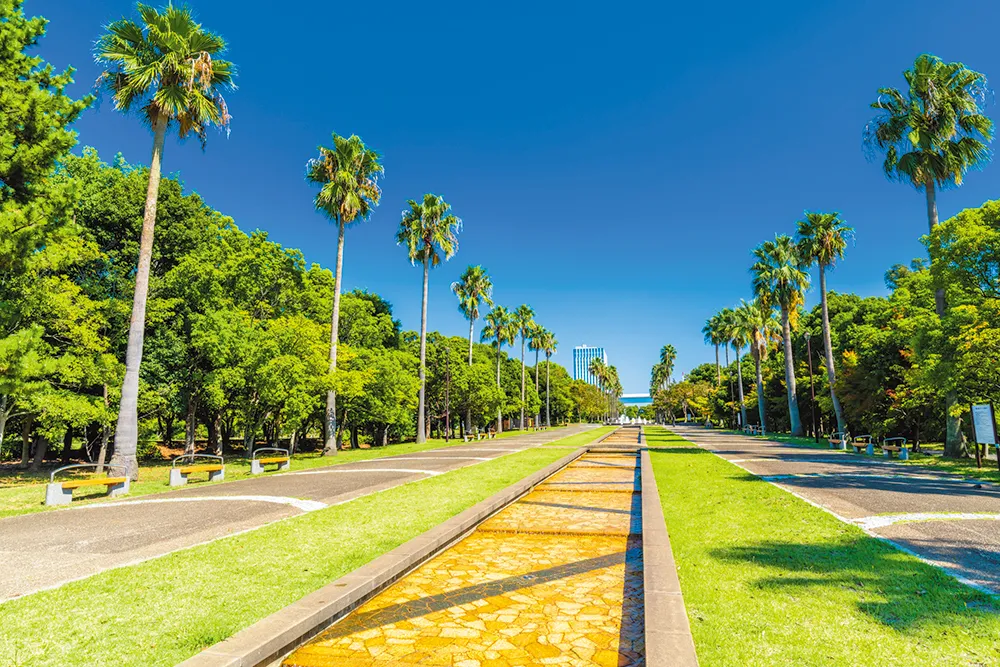
With artistic architecture, green spaces, and white sandy beaches that feel far removed from the city center, the area offers a relaxed and unhurried atmosphere.
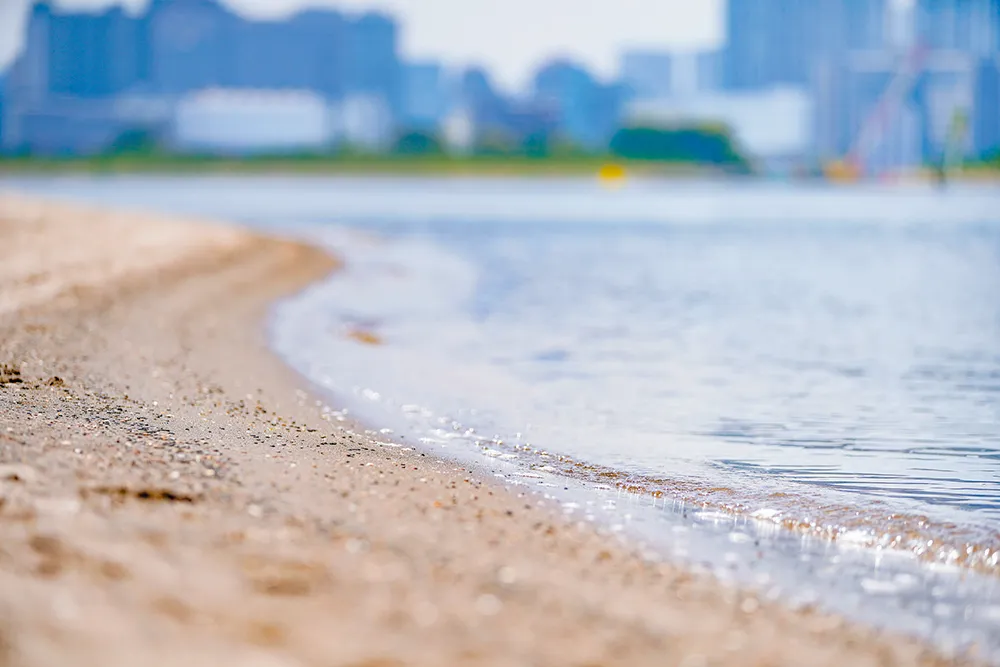
Ocean View as a Strategic Advantage
How an Oceanfront Setting Enhances MICE Experiences
Located in the heart of Tokyo, this oceanfront area offers a rare and expansive open setting overlooking the sea̶the sea-a rare offering among urban MICE destinations.
The harmonious blend of sea and city creates a distinctive atmosphere and a sense of openness, enhancing the overall quality of conferences, receptions, and networking opportunities.
Enhancing the Participant Experience
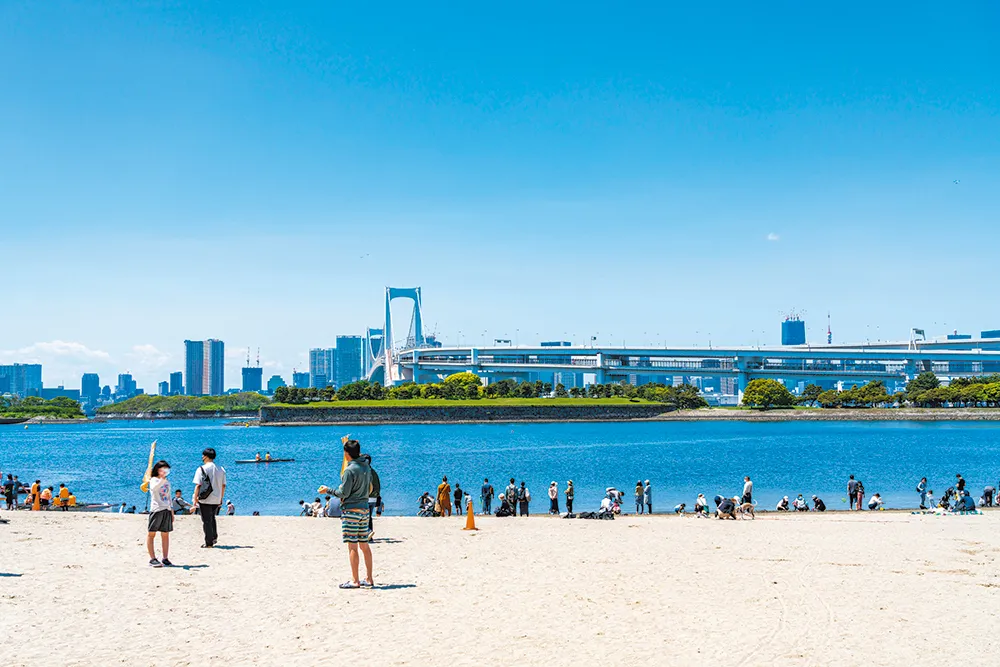
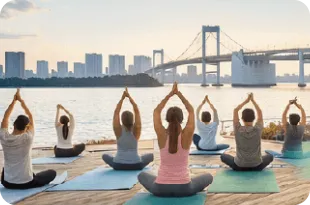
The beach and waterfront parks provide an ideal setting for morning activities and other outdoor programs, expanding the range of experiences available for MICE events
Creating Lasting Impressions
The unique setting where the sea and cityscape coexist creates iconic moments throughout the event, delivering memorable experiences
Morning Activity
(Oceanfront)
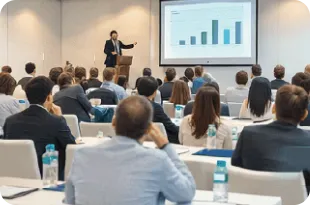
Conference / Meeting
(Indoor)
Reception / Networking
(Ocean View)
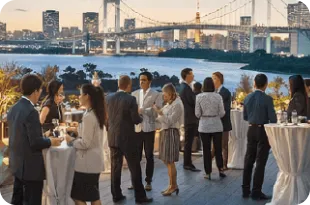
※All images are for illustrative purposes only.
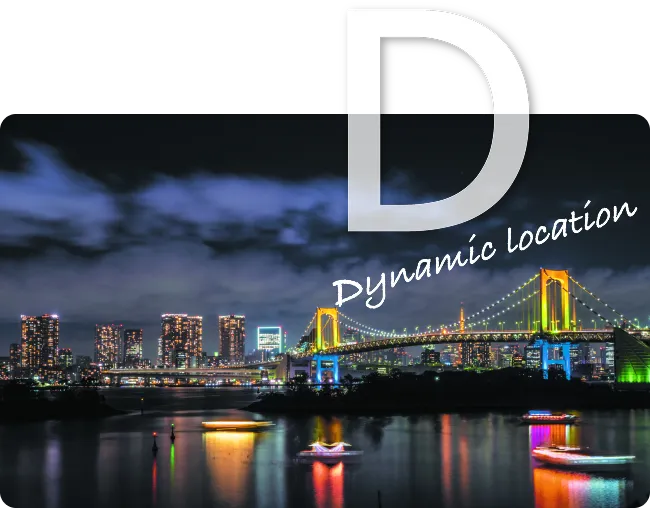
Enjoy Tokyoʼ s skyscrapers reflected on the sea
With the Rainbow Bridge and a refined city skyline as a backdrop, a variety of beautiful views can be enjoyed throughout the day and night, regardless of season or time, adding a special touch to events held in open-air settings.
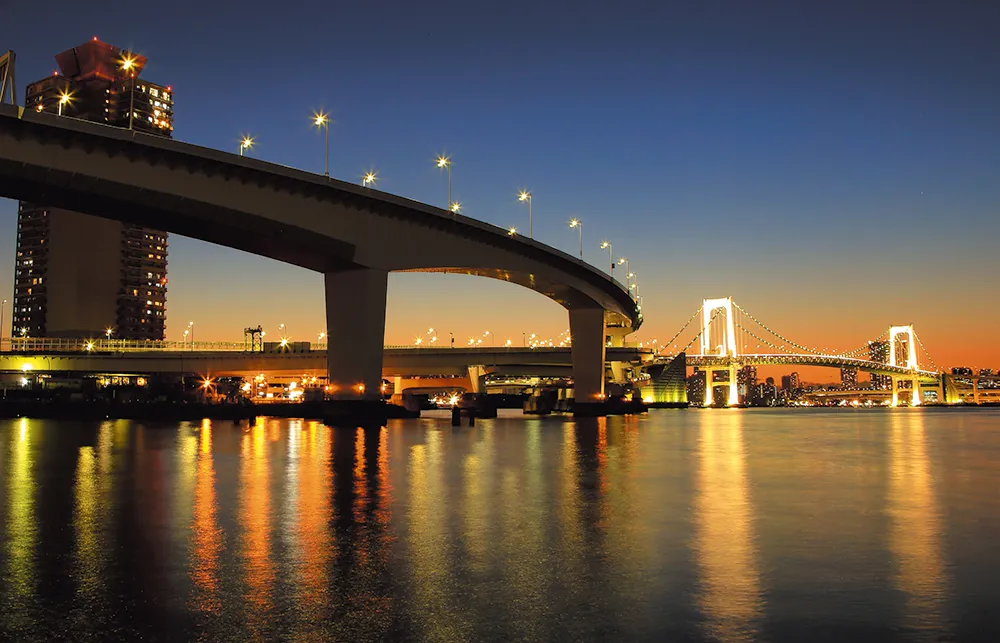
Dynamic Location as a Powerful Stage
A Dynamic Cityscape that Defines Your Event
With a cityscape that transforms dramatically from day to night, this area provides a dynamic backdrop for memorable events.
Iconic Cityscapes that Define Your Event
Views of Tokyo Tower and the Rainbow Bridge, complemented by the spectacular Tokyo Aqua Symphony fountain show and seasonal events, create an unforgettable setting for memorable occasions.
Creating a Dynamic Event Rhythm
With its landscape changing dramatically between day and night, this area naturally transitions between meeting and networking moments, bringing clear rhythm and contrast to the overall program.
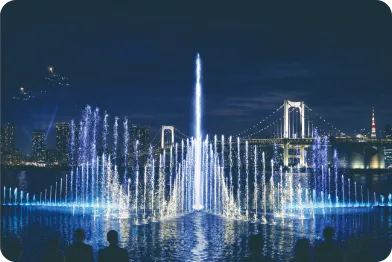
Tokyo Aqua Symphony
Inspired by Somei-Yoshino cherry blossoms, the official flower of Tokyo, Tokyo Aqua Symphony is one of the world's largest fountain displays, reaching approximately 150 meters in height and 250 meters in width.
A Place People Are Drawn to, and One That Continues to Evolve
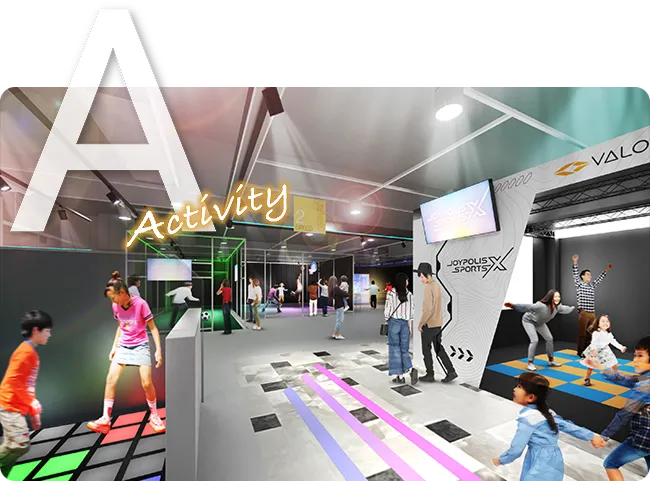
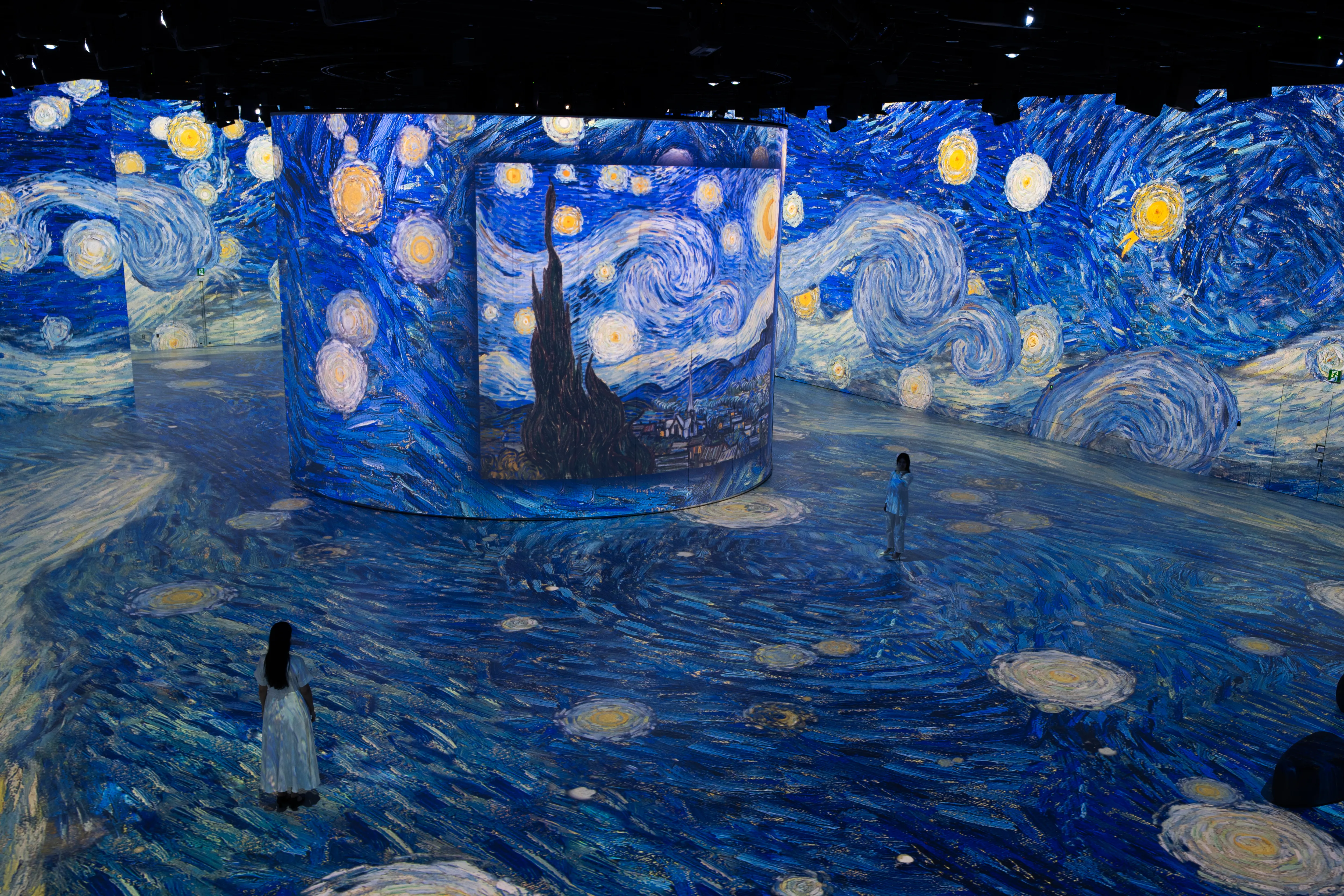
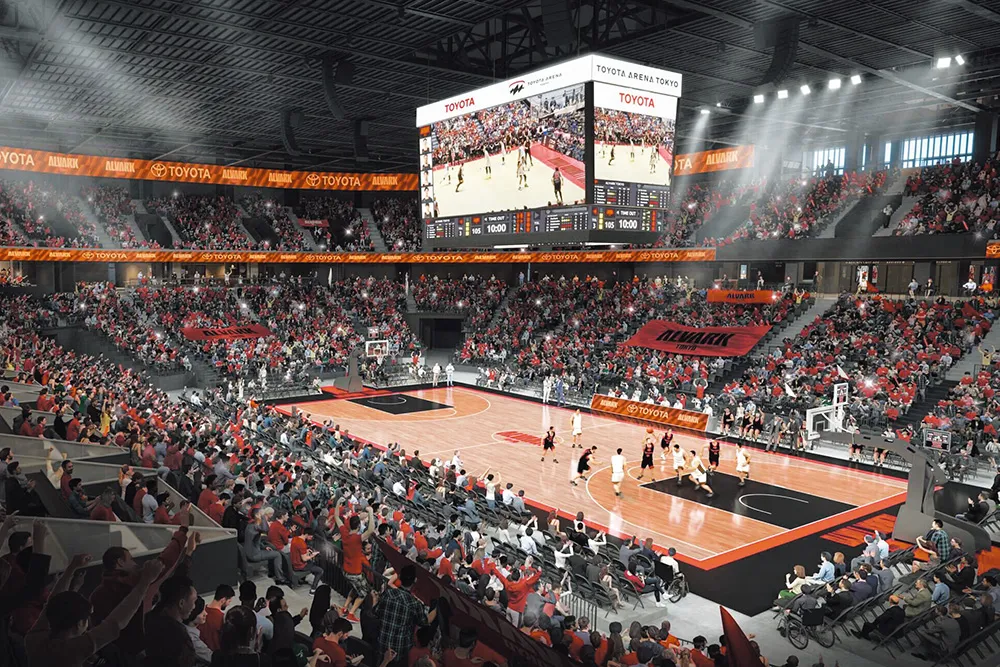
The area offers a vibrant mix of entertainment, retail, and cultural attractions, including theaters, event halls, and major shopping destinations.
Many of these facilities can also serve as unique event venues, creating memorable experiences that go beyond traditional meeting spaces.
Activities that Engage and lnspire
Integrating meetings and experiences to enhance participant value
This area creates opportunities for high-value MICE programs.
Enhancing Participant Engagement
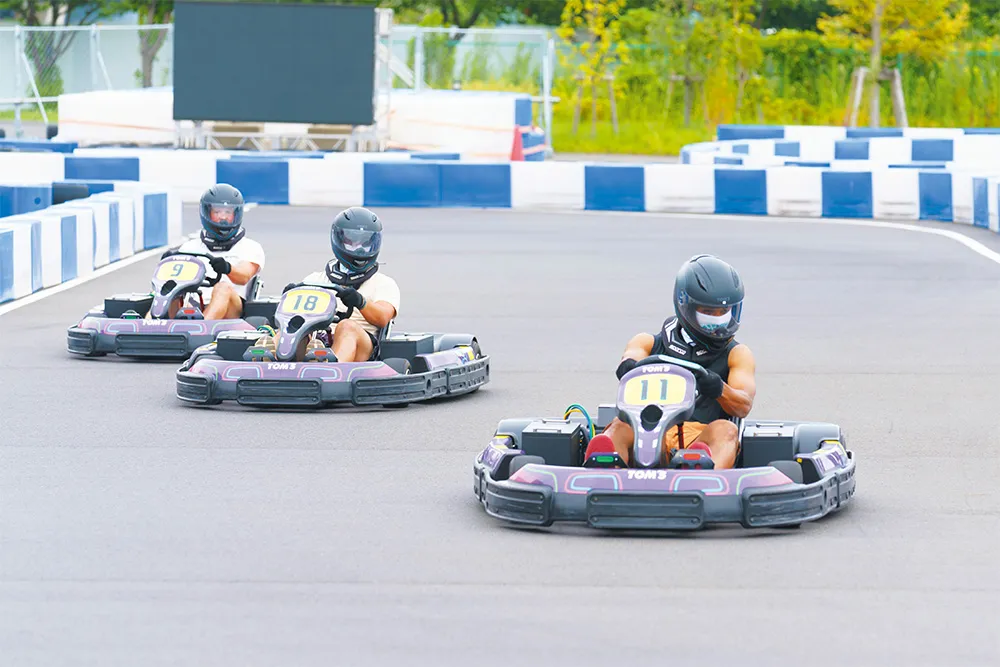
Incorporating experiential and participatory activities enhances participantsʼ focus and engagement, encouraging more active involvement in meetings and sessions.
Strengthening Networking and Team Building
Group-based activities naturally bring participants closer together, supporting relationship building that leads to networking and effective team building.
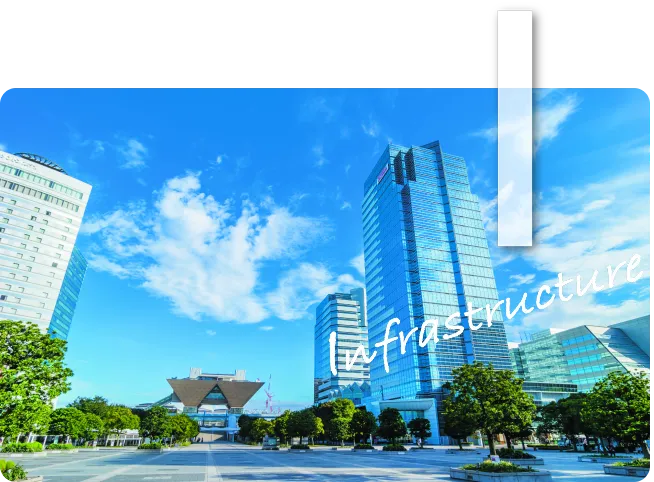
A future city with a focus on space, beauty, and convenience
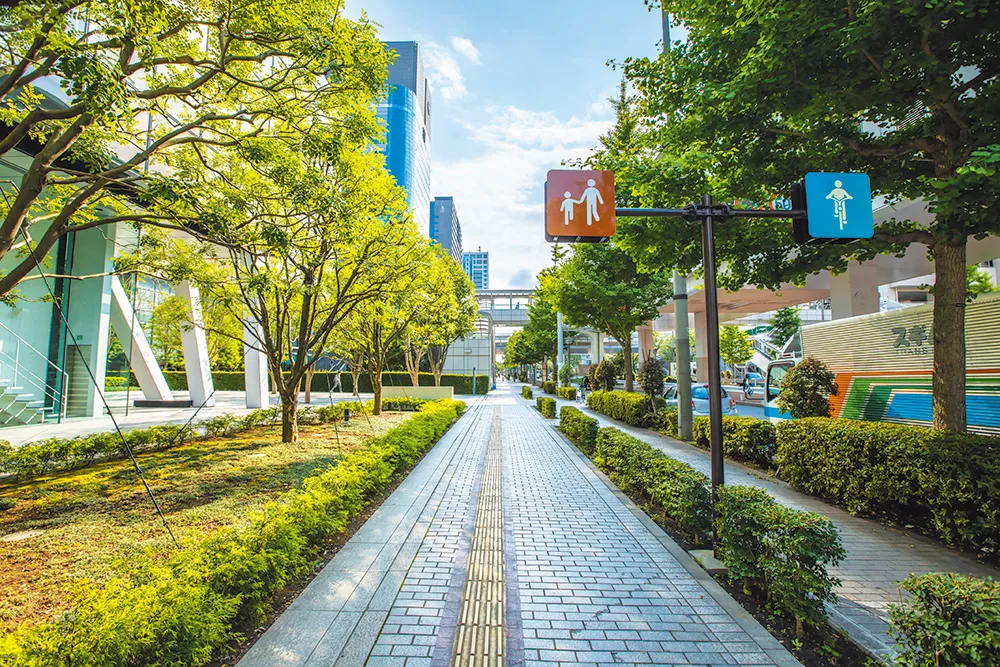
This area, connected by expansive parks, has been developed with a focus on a decarbonized society and the SDGs.
With environmentally conscious infrastructure in place, the cityscape features an advanced urban design free of overhead utility poles and garbage collection vehicles.
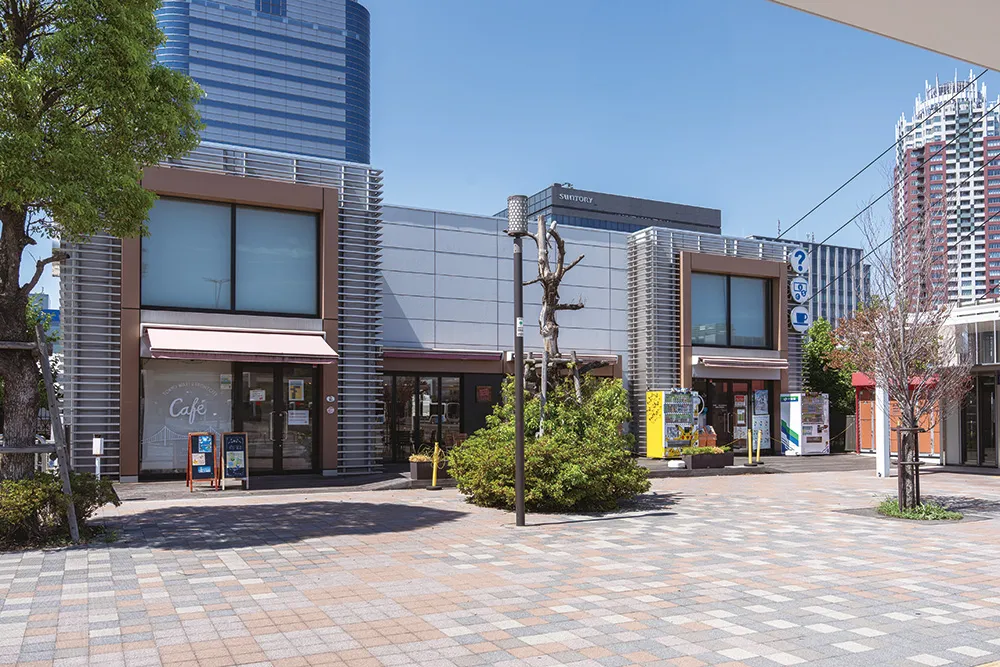
Designed for Sustainable MICE
Urban infrastructure designed with sustainability in mind supports MICE events
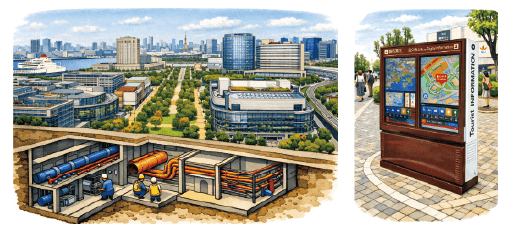
In this area, infrastructure planning has been carried out in an integrated manner from the early stages of urban development. Through the consolidation of utilities within integrated underground tunnels that house multiple lifelines, an efficient transportation system centered on public transit, and environmentally conscious energy systems such as district heating and cooling, the area as a whole achieves both reduced environmental impact and operational stability.
By functioning together, these urban infrastructure systems support a safe and sustainable environment for MICE events for both organizers and participants.
Comfortable stays supported by digital and urban infrastructure
To ensure that participants can stay and move around the area with ease, features such as free Wi-Fi and multilingual digital signage are well developed.
This urban environment allows even first-time visitors to navigate the area without stress, contributing to the overall satisfaction of the event.
Environmentally conscious urban landscapes and spacious design
In this area, environmental considerations are reflected in the urban landscape through features such as streetscapes free of utility poles, efficient urban management supported by underground infrastructure, and spacious layouts surrounded by greenery and the waterfront.
These open spaces and well-maintained streetscapes create an urban environment well suited to hosting MICE events that accommodate large numbers of participants.
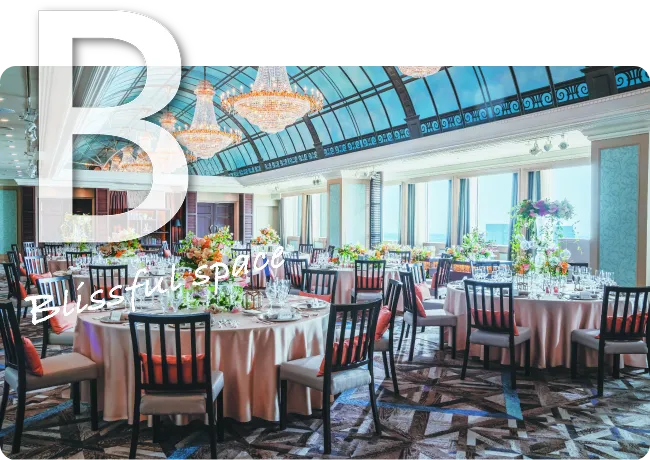
Where exceptional views and seamless accessibility create memorable hospitality
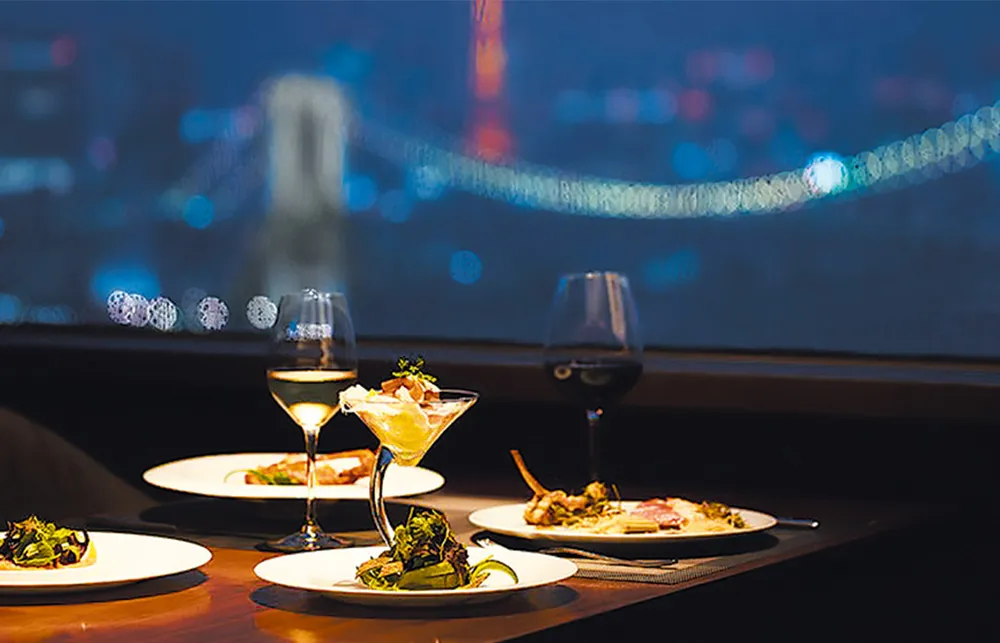
Spaces that make use of beautiful views of water and greenery, thoughtfully designed settings, and high-quality cuisine and service come together to deliver the highest level of hospitality tailored to a wide range of needs.
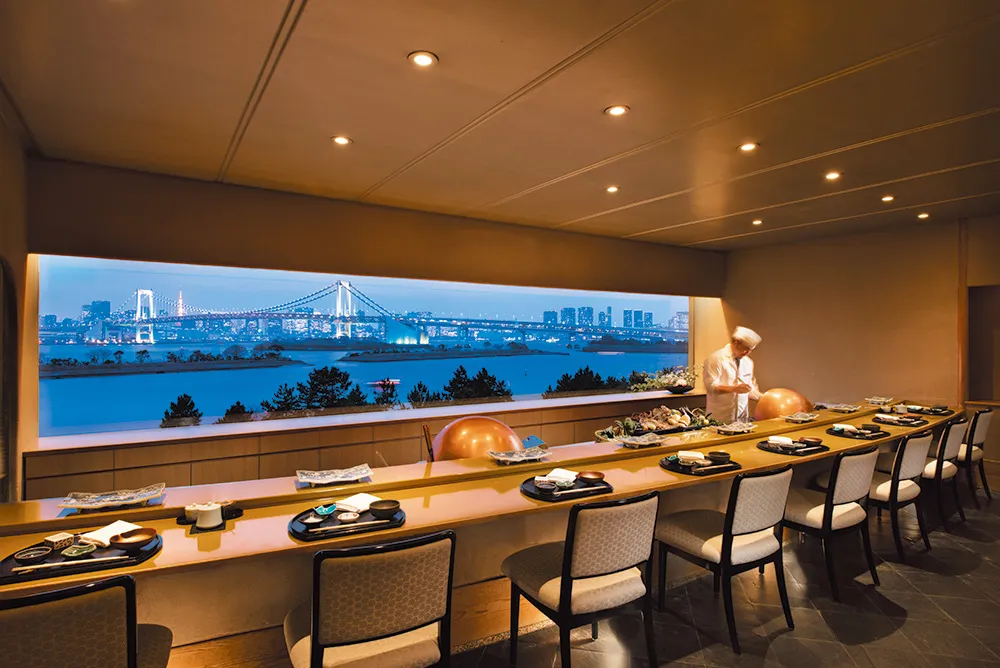
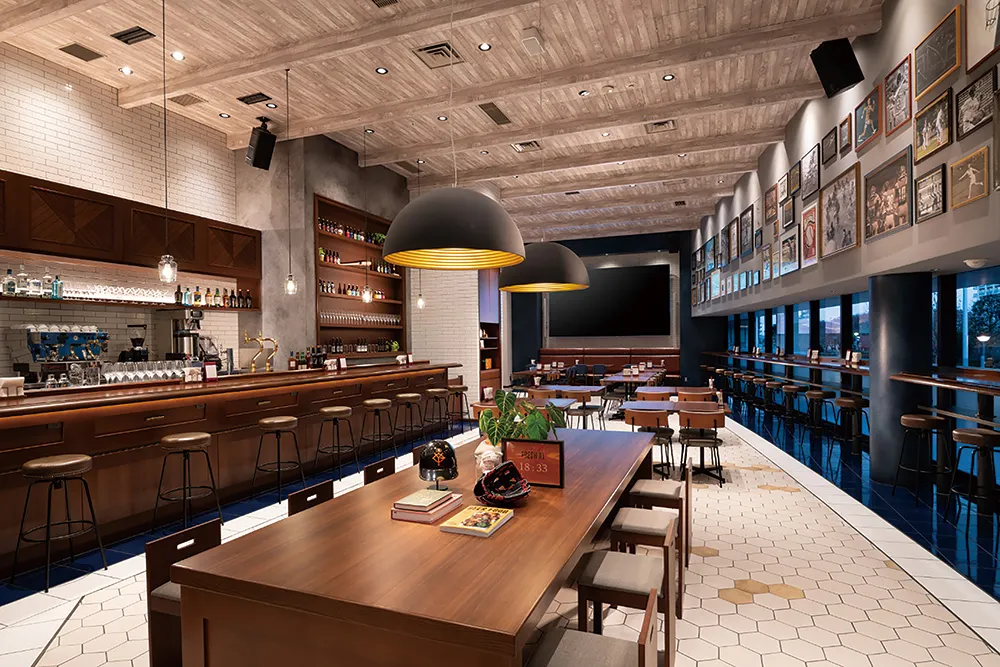
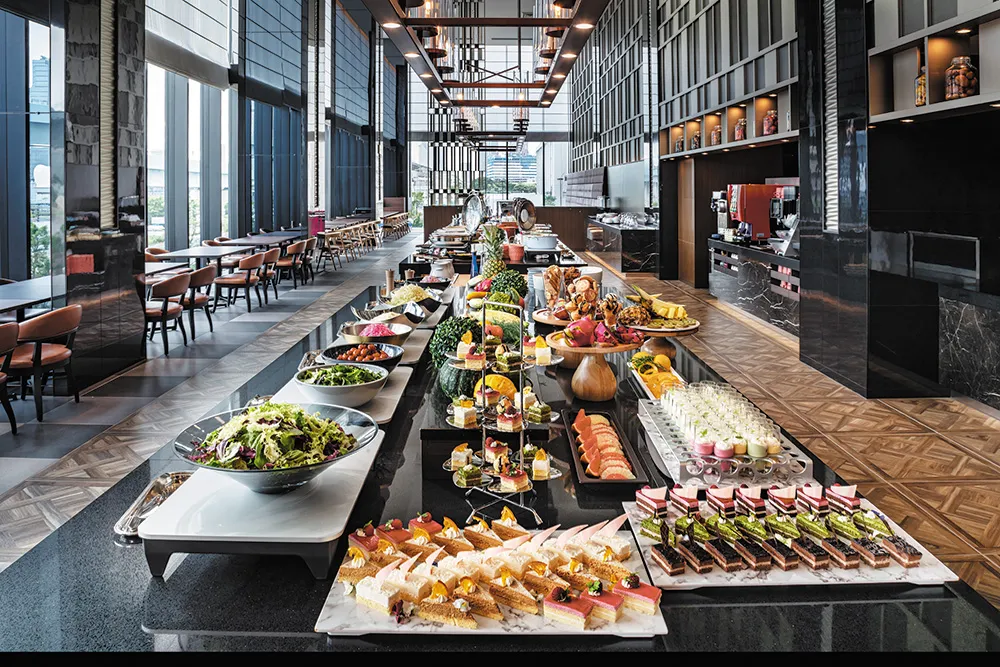
Blissful Space for Meaningful MICE
Comfortable environments enhance participant experiences
Surrounded by waterfront views and a vibrant cityscape, the area offers quality dining,
accommodation, and a comfortable environment where participants can relax and focus on the event.
Exceptional hospitality leaves a lasting impression
High-quality dining, refined spaces, and attentive hospitality influence the overall evaluation of an event as much as the program itself.
Experiences that make participants feel valued enhance overall satisfaction and build trust in the organizer.
Flexible Spaces for Event Planning
The ability to freely combine and design high-quality spaces̶such as fine dining restaurants and banquet venues that take advantage of scenic views̶is a distinctive strength of this area.
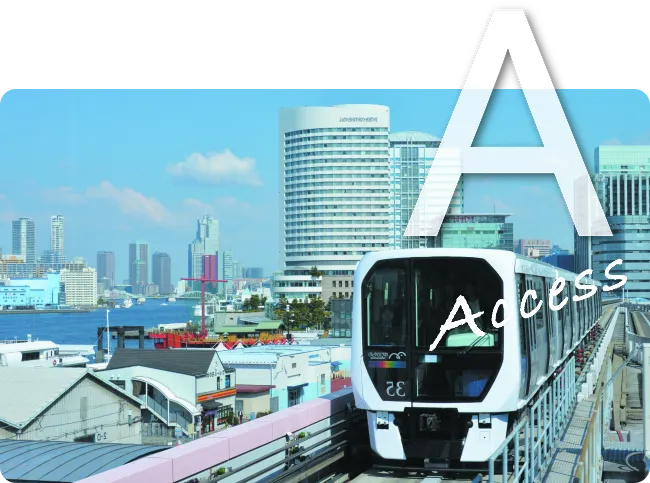
Seamless access to the Tokyo Waterfront City from around the world̶by air, land, and sea
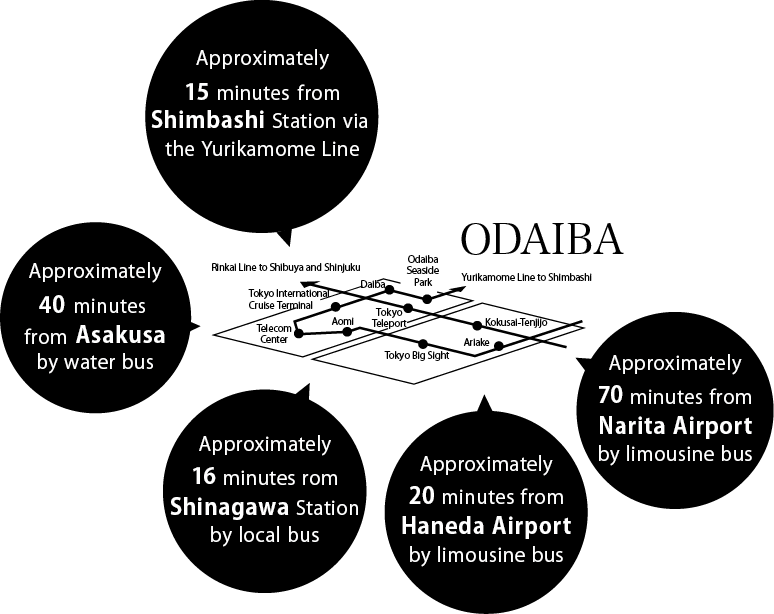
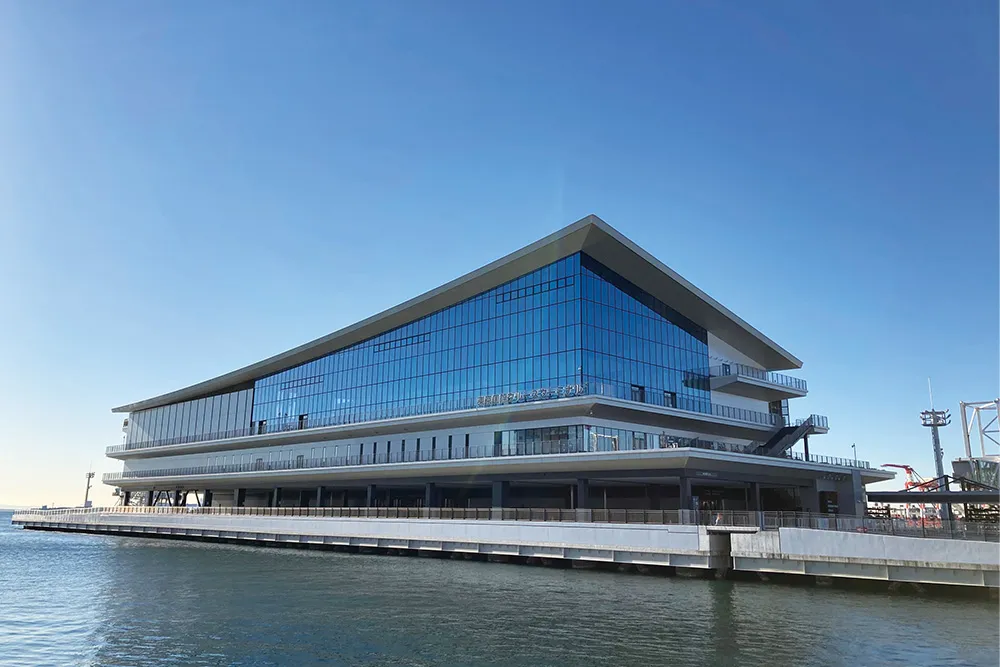
Conveniently located with easy access to Tokyoʼ s major gateways, including the airports, Tokyo Station, and the Tokyo International Cruise Terminal.
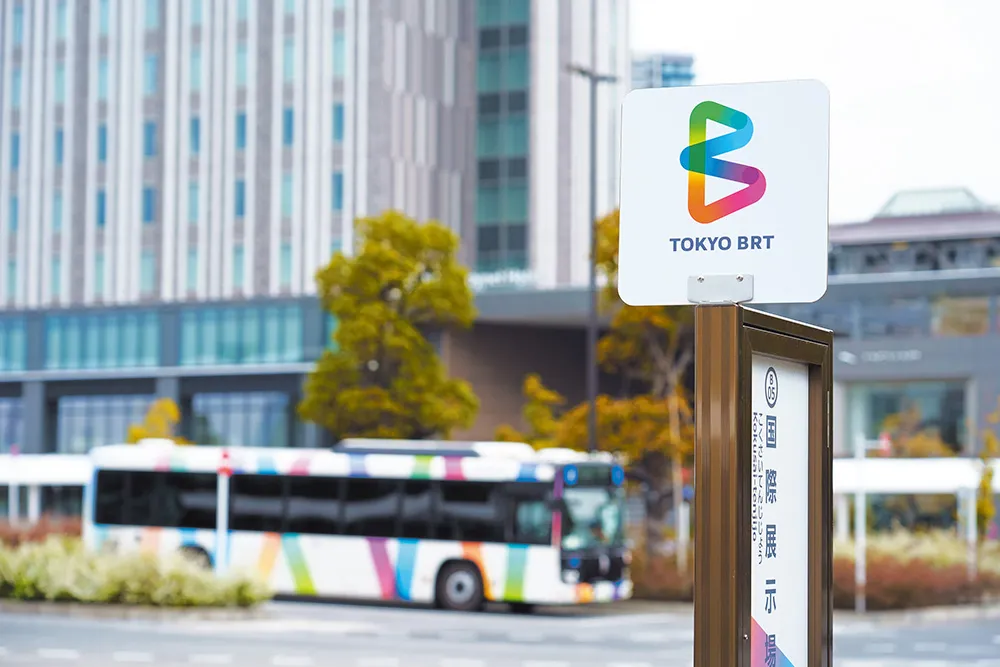
The area is well connected to central Tokyo by the Yurikamome Line, the Rinkai Line, and Tokyo BRT.
Tokyo Bay MICE Gateway
A MICE hub on Tokyo Bay where people and business from around the world come together
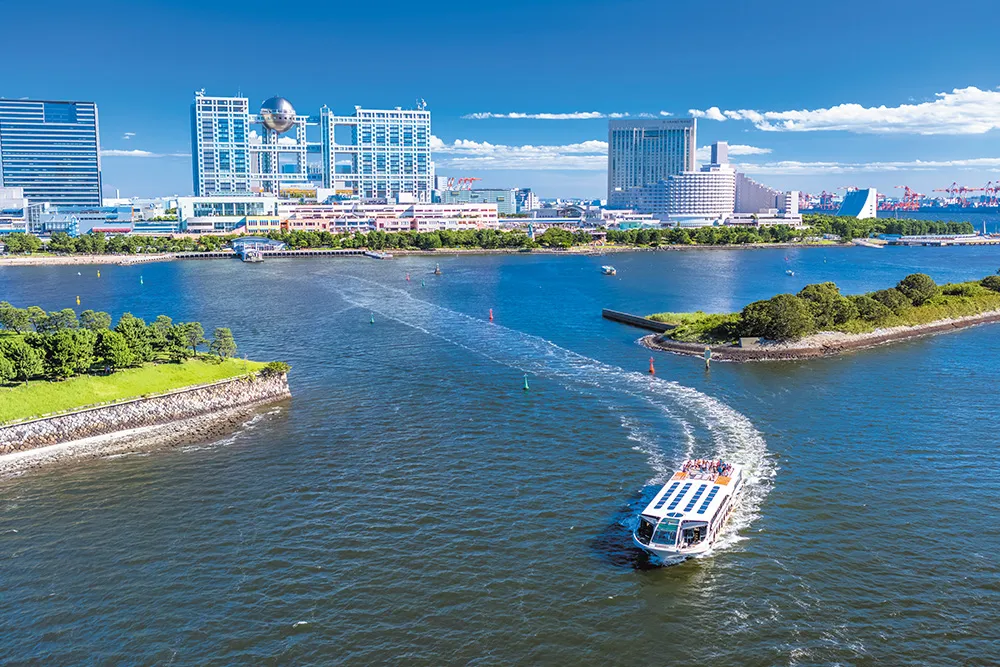
In addition to urban transportation such as the Yurikamome Line, the Rinkai Line, and Tokyo BRT, the area is also served by both Haneda and Narita airports, as well as maritime access via water buses and cruise ships.
This Tokyo Bay area can accommodate arrivals from all directions̶land, sea, and air.
Even when participants arrive from diverse origins and by various means, the area is designed to accommodate distributed traffic flows, offering a high level of convenience as a MICE destination. This multi-layered transportation network enables stable operations even for large-scale events and international conferences.